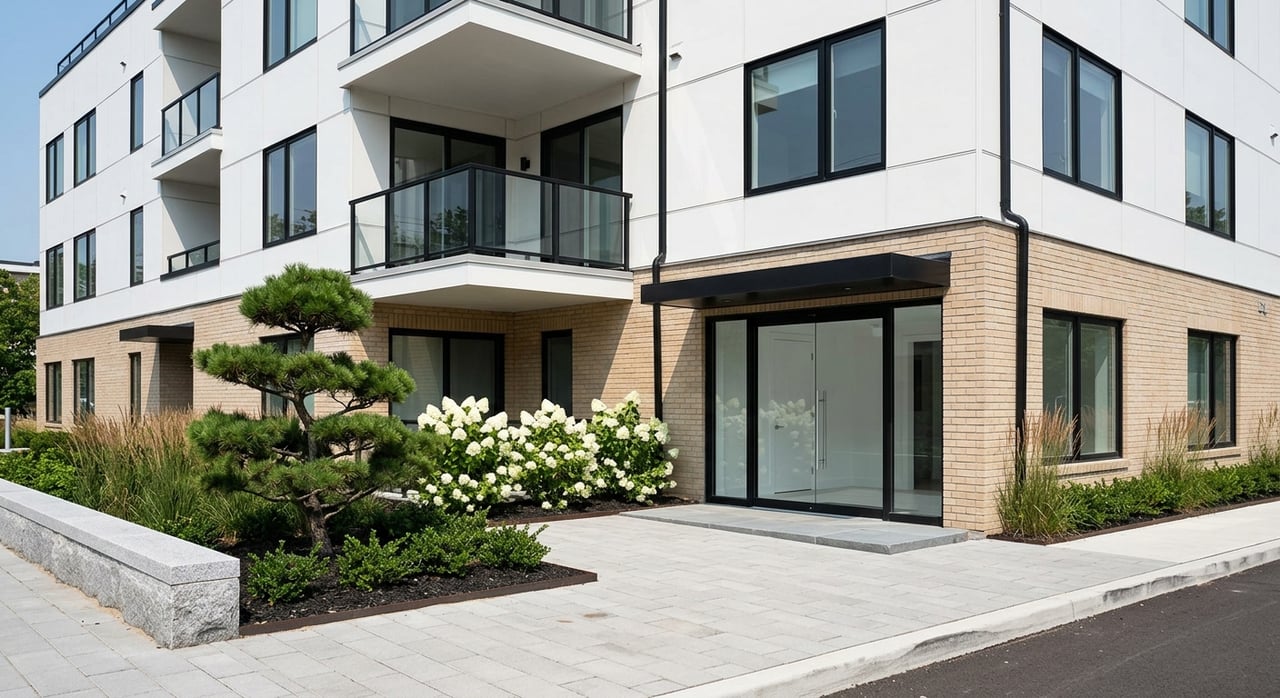
Buying new construction in Long Branch can feel exciting at first glance. Fresh finishes, modern layouts, and coastal proximity can make a project look like an easy yes. But if you want to buy smart, you need to look past the model unit and evaluate how the project actually works. This guide will help you focus on the details that matter most in Long Branch so you can ask better questions, spot risks earlier, and move forward with more confidence. Let’s dive in.
Start With the Site
In Long Branch, the site itself can tell you a lot about a project’s long-term value and day-to-day practicality. A beautiful kitchen may catch your eye, but location rules, parking, flood exposure, and access often have a bigger impact once you own the home.
The City of Long Branch Planning and Zoning Office handles zoning permits for most construction and use activities and helps maintain the city’s zoning ordinance, zoning map, master plan, and redevelopment program. That matters because a project may be shaped by more than its basic zoning district.
Some properties are also affected by special planning layers. For example, Long Branch identifies a West End Design Overlay District, and the Oceanfront-Broadway Redevelopment Plan can supersede inconsistent zoning, subdivision, and land-use rules within its boundaries. In those areas, the redevelopment plan may control uses, density, parking, bulk requirements, and design.
Why location matters in Long Branch
Long Branch’s master-plan materials include maps for zoning, roads, transit, parks and open space, and historic sites. That means you should evaluate a project in context, not in isolation. A unit may look polished inside, but the surrounding area, access routes, and planning framework can shape your experience just as much.
If you are touring a project near the oceanfront, Broadway, or another redevelopment area, ask how the site fits into the city’s broader plan. You want to know not only what is being built today, but also what rules and expectations govern the area around it.
What to verify on a tour
When you visit a new construction project in Long Branch, ask direct questions about the site:
- What is the exact zoning district?
- Does an overlay district or redevelopment plan apply?
- Is parking on-site, shared, public, or being added in phases?
- How does the site connect to the beach, boardwalk, transit, and major corridors?
- Is the parcel likely to trigger coastal, flood, or stormwater review?
These questions help you understand whether the project functions well beyond the sales presentation.
Check Coastal and Flood Considerations
In a shore market like Long Branch, coastal and flood review should be part of your due diligence from the start. Near-water living can be a major draw, but it also comes with a regulatory and insurance backdrop that you should understand before you commit.
The New Jersey Department of Environmental Protection says its Division of Land Use Regulation reviews coastal permit applications under CAFRA, the Waterfront Development Law, the Wetlands Act, and flood-hazard rules. NJDEP also notes that coastal hazards in New Jersey include flooding, storm surge, erosion, and sea-level rise.
FEMA says its Flood Map Service Center is the official source for flood-hazard mapping, and those maps help lenders determine insurance requirements. In practical terms, that means you should not assume a project’s appearance tells you everything you need to know about flood exposure or future carrying costs.
Questions to ask about coastal risk
Before you move forward, consider asking:
- Is the property in a mapped flood-hazard area?
- What flood insurance assumptions should you budget for?
- Has the site required or does it require coastal permitting?
- How is stormwater handled for the project?
This step is especially important for waterfront and near-water projects, where permitting and insurance can affect both affordability and resale.
Verify the Builder and Warranty
A polished sales center does not replace builder due diligence. In New Jersey, builder registration and warranty coverage are core parts of evaluating a new home purchase.
The New Jersey Department of Community Affairs requires all new home builders to register before taking out permits. The state also maintains a registered-builder list and a track-record list. DCA says a builder’s registration can be denied, suspended, or revoked for issues tied to warranty coverage, warranty claims, fraud, misrepresentation, or substantial code violations.
That makes builder registration more than a formality. It is one of the clearest diligence items you can verify when comparing projects.
Understand New Jersey warranty coverage
DCA states that every new home sold in New Jersey comes with warranty protection. Standard coverage includes:
- 1 year for materials and workmanship
- 2 years for heating, air conditioning, plumbing, and electrical systems
- 10 years for major structural defects
The warranty starts at closing, and the homeowner should receive the warranty booklet. DCA also says approved private warranty plans and the state plan offer the same warranty coverage.
Contract details matter more than the model home
One of the most important New Jersey details is this: building plans on file are used to check code compliance, but they do not control what the builder must provide unless the contract says so. That means finishes, appliances, and upgrades need to be clearly stated in your agreement if you expect them to be included.
If you are buying a home that is not yet complete, ask how deposits can be returned under the contract terms and clarify every promised feature in writing. You should also ask what prior phases or comparable projects you can inspect.
Builder questions worth asking
Use this short checklist when reviewing a project:
- Is the builder currently registered in New Jersey?
- What warranty plan is being used?
- Where is the warranty booklet?
- What previous projects or completed phases can you tour?
- Which finishes and upgrades are contractual?
Read the Offering Plan Like an Owner
If the project is a condominium, cooperative, or another common interest community, the disclosure package is one of your most important tools. This is where you shift from shopping mode to ownership mode.
New Jersey’s Planned Real Estate Development program requires a developer of a common interest community with an association managing commonly owned interests to register an offering plan with DCA before offering units for sale. That requirement gives you a framework for evaluating how the project is supposed to operate after move-in.
State law says the public offering statement must disclose the developer, a general description of the development, management contracts, easements, liens, restrictions, community information, estimated costs and responsibility for amenities, and a proposed budget for common or shared elements. It must also stay current through amendments.
Focus on the monthly reality
For many buyers, the biggest mistake is focusing on the unit and skimming over the shared structure behind it. The public offering statement can help you understand whether the budget, management setup, and amenity promises make sense for the scale of the project.
DOBI also says certain regulated offerings marketed in or into New Jersey include escrow protection and a minimum seven-day right to rescind without penalty. For buyers, the bigger takeaway is to read carefully and compare the stated budget and responsibilities against what is actually being marketed.
Documents to review closely
Pay close attention to these items:
- Management contracts and who will manage the property
- Easements, liens, and restrictions that affect use or access
- Planned completion and maintenance responsibility for amenities
- The proposed budget for common or shared elements
If a project advertises attractive amenities, make sure the documents explain who pays for them, who maintains them, and when they are expected to be completed.
Evaluate Parking, Transit, and Daily Function
In Long Branch, convenience can shape resale just as much as style. A strong project should work well on an ordinary Tuesday, not just during a weekend showing.
Long Branch Station on NJ Transit’s North Jersey Coast Line offers parking and bike storage, but the station information also notes short-term on-street parking limits. That is why a project’s resident and guest parking plan deserves close attention, especially if the development leans heavily on its transit story.
In some Long Branch redevelopment sectors, parking rules or ratios are specifically addressed in the plan. So if the project says parking is covered, confirm that the parking arrangement in the offering documents lines up with the planning framework and your real daily needs.
Think through the routine
As you evaluate a project, ask yourself:
- Will parking be easy for residents?
- What is the plan for guests?
- Is transit access truly convenient, or just nearby on paper?
- How easy is access to the beach, boardwalk, or major roads?
These are not small details. They affect livability now and marketability later.
Confirm Occupancy and Close-Out Readiness
Even when construction looks nearly finished, closing readiness still matters. In Long Branch, local compliance requirements are part of the bigger picture.
The city’s residential certificate-of-compliance application requires current sewer and tax status, no open building permits, and compliance with smoke alarm, carbon monoxide, and portable fire extinguisher requirements. The commercial certificate-of-compliance form also requires zoning sign-off, current tax and sewer status, and building-department clearance.
For buyers, the point is simple: do not treat near-completion and actual readiness as the same thing. Ask what remains before the project can fully close out and whether any open items could affect timing.
If a property includes older rental components built before 1978, Long Branch’s residential form notes that lead-safe certification rules may apply unless an exemption applies. That may be relevant in mixed projects or properties with older components.
A Smart Long Branch Evaluation Checklist
If you want a practical way to compare projects, keep your process simple and consistent. A solid Long Branch new-construction review should cover these areas:
- Confirm the zoning district and whether an overlay or redevelopment plan applies
- Verify builder registration and warranty coverage
- Read the public offering statement for budgets, management, and shared-element responsibilities
- Check flood maps, coastal permitting, and insurance assumptions
- Compare parking, transit access, and occupancy requirements
- Ask whether any older units or rental components trigger lead-safe rules
When you evaluate a project this way, you move beyond surface-level marketing and start seeing how the property may perform as a home, an investment, and a long-term asset.
New construction in Long Branch can offer real opportunity, especially if you value modern living near the shore. But the best decisions usually come from a careful review of the site, the builder, the documents, and the long-term ownership picture. If you want local guidance on how a specific Long Branch project stacks up, the team at Todd Katz can help you look past the showroom and evaluate the details with confidence.
FAQs
What should you check first in a Long Branch new construction project?
- Start with the site. Confirm the zoning district, ask whether an overlay or redevelopment plan applies, and review parking, transit access, and coastal or flood considerations.
How can you verify a builder in New Jersey?
- Check whether the builder is currently registered with the New Jersey Department of Community Affairs and ask about the builder’s track record, warranty plan, and comparable completed projects.
What warranty comes with a new home in New Jersey?
- New Jersey states that new homes include warranty protection of one year for materials and workmanship, two years for heating, air conditioning, plumbing, and electrical systems, and ten years for major structural defects.
What is the public offering statement in a Long Branch condo project?
- It is a disclosure document required for certain common interest communities that explains the development, management structure, restrictions, easements, amenities, and the proposed budget for common or shared elements.
Why do flood maps matter when buying in Long Branch?
- Flood maps help identify flood-hazard areas and can affect lender requirements, insurance costs, and your total monthly ownership expenses.
Why is parking such an important factor in a Long Branch development?
- Parking can affect daily convenience and resale appeal, especially in redevelopment areas or near transit where guest parking, on-site spaces, and local parking rules may all matter.