Wondering how your older Long Branch home can stand out when shiny new condos and redevelopment projects keep grabbing attention? You are not alone. If you are selling in a market where buyers can compare original homes with newer product, the goal is not to pretend they are the same. It is to present your home clearly, price it realistically, and remove as much uncertainty as possible. Let’s dive in.
Long Branch Is a Competitive Market
Long Branch has a mixed housing landscape, with 15,091 housing units, 13,140 households, and an owner-occupied rate of 42.5%. That matters because your likely buyer may not look like just one type of shopper. Your home could be compared with condos, second-home options, investor-facing properties, and traditional single-family resales.
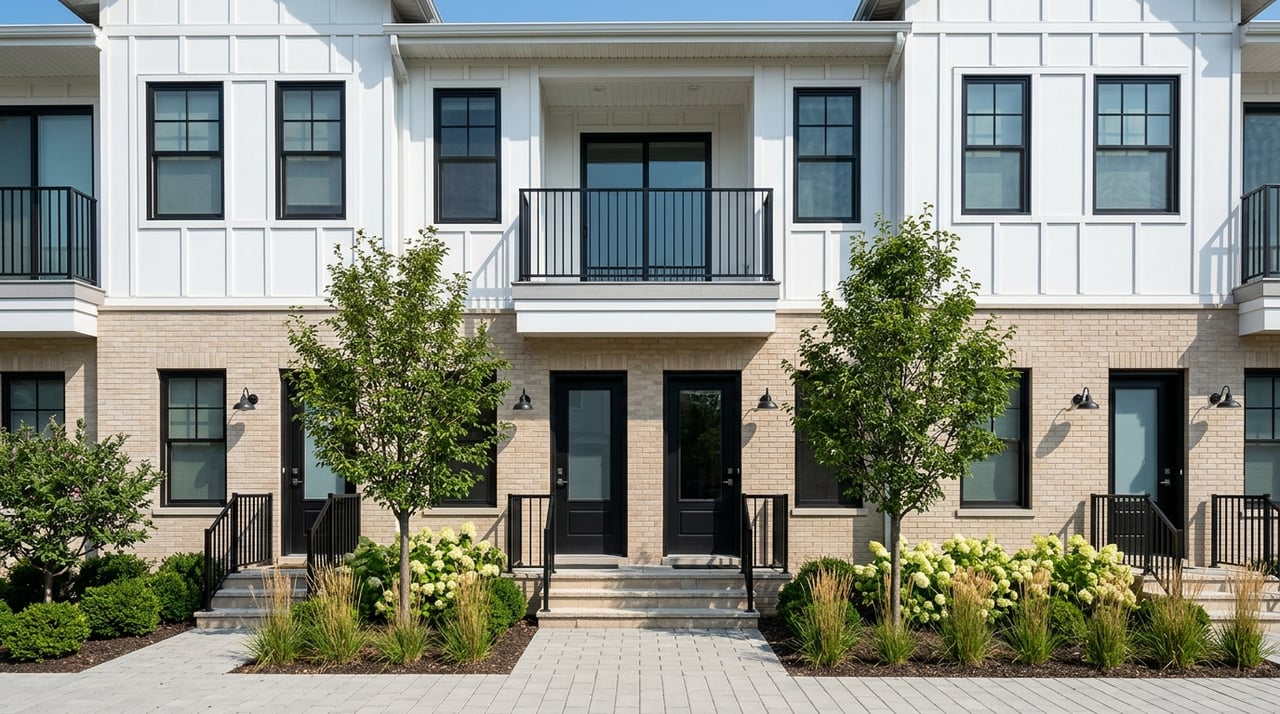
At the same time, Long Branch remains an active redevelopment market. City redevelopment materials cover areas such as Pier Village, Broadway Gateway, Beachfront North, Hotel Campus, Beachfront South, and Lower Broadway, and the city said in April 2026 that a new municipal pier is fully funded and scheduled to open in 2027. For sellers, that means newer homes and recently finished projects are part of the backdrop whether your property is near them or not.
Recent pricing data also shows a high-value market with some variation. Redfin reported a median sale price of $825,000 for the three months ending May 2026, Zillow showed an average home value of $822,290 and a median sale price of $725,700 in April 2026, and Realtor.com described Long Branch as a buyer’s market in May 2026. The takeaway is simple: buyers are paying attention to condition, value, and perceived future costs.
Age Alone Does Not Decide Value
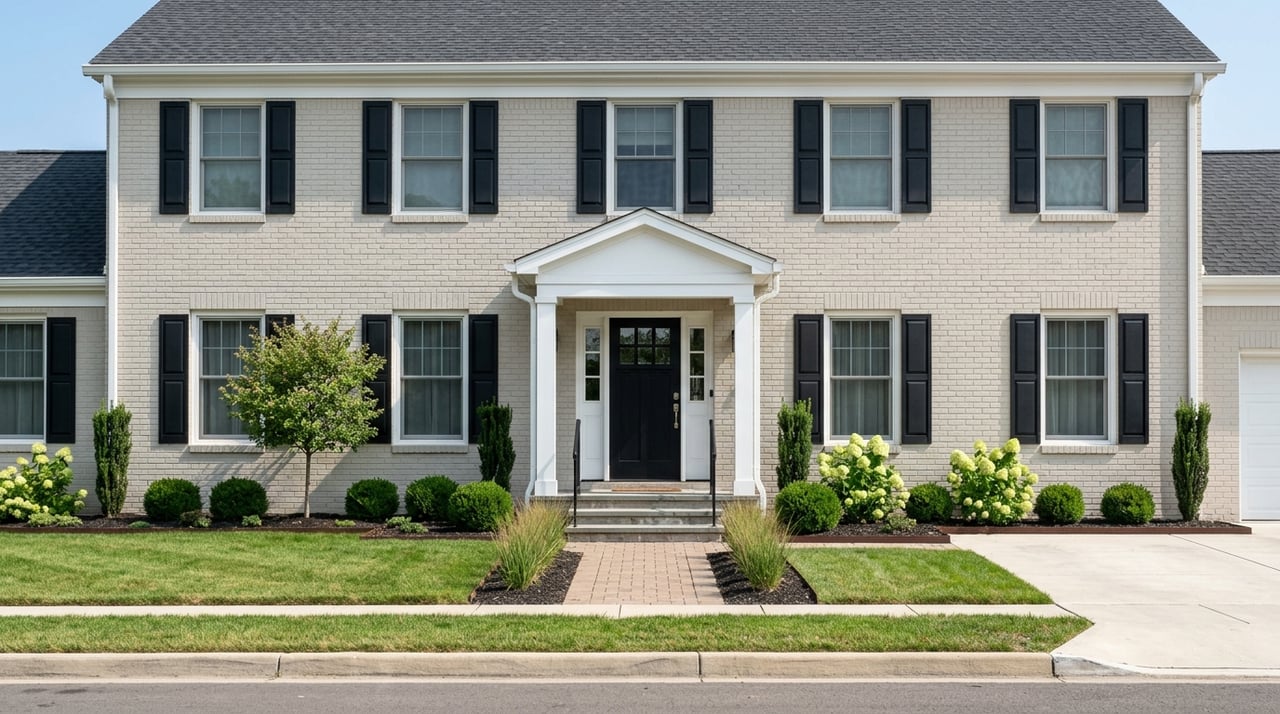
An older home does not lose just because it is older. Many resale homes offer features that new construction cannot easily recreate, like mature landscaping, established streetscapes, larger lots, or architectural character. Those strengths can matter a lot to buyers who want something more grounded and less cookie-cutter.
What does hurt an older home is pricing it like a polished new build when it still shows deferred maintenance or outdated finishes. Buyers may accept older systems or modest cosmetics if the home is clean, cared for, and priced for its actual condition. They are much less forgiving when the asking price ignores what they will need to update after closing.
Price Against the Right Competition
One of the biggest mistakes sellers make in a redevelopment-heavy market is comparing their home to the newest showcase listing. That can create a price gap that turns buyers away before they ever step inside. Instead, your home should be measured against condition-adjusted comparable sales, not just the newest product in town.
This is especially important in Long Branch, where market trackers show different median and average figures depending on methodology. That kind of spread is a reminder that pricing needs a human read, not a broad online estimate. The right strategy looks at location, condition, updates, lot, layout, and how buyers will actually compare your home in real time.
What Buyers Are Really Measuring
When buyers compare an older home with new construction, they are usually asking a few practical questions:
- How much work will I need to do soon?
- Does the price reflect the home’s current condition?
- Am I paying extra for new finishes, or getting more space, land, or character instead?
- How certain does this purchase feel?
That last point matters more than many sellers realize. In a market with visible new development, buyers often pay for convenience and predictability. If your home can offer confidence through maintenance, documentation, and presentation, it becomes more competitive.
Focus on High-Impact Updates
If your older home is structurally sound, the best pre-listing improvements are usually cosmetic and presentation-focused. You do not always need a full renovation to compete well. In many cases, a clean, bright, well-maintained home will outperform a poorly planned expensive remodel.
NAR’s 2025 Remodeling Impact Report found that Realtors most often recommend painting and new roofing before listing, while kitchen upgrades and bathroom renovation continue to draw strong buyer demand. For many Long Branch sellers, that points to selective improvements instead of a full gut job.
Best Updates Before Listing
Consider prioritizing updates like these:
- Fresh neutral paint
- Improved lighting
- Repaired trim
- Refinished or repaired flooring
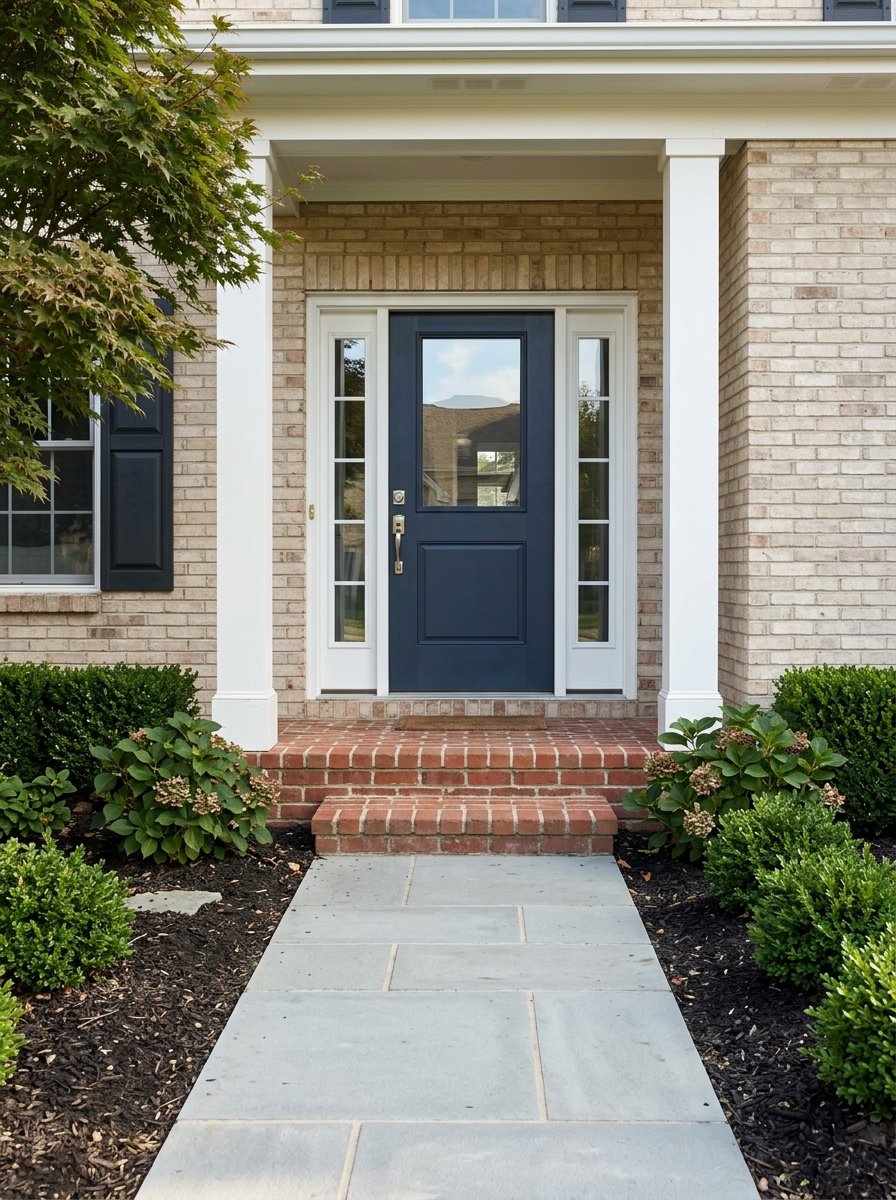
- A clean, updated entry
- Small kitchen refreshes, such as hardware, paint, fixtures, or countertops where needed
- Targeted bathroom improvements that make the space feel clean and current
These kinds of changes help buyers feel that the home has been cared for. They also reduce the visual gap between your property and newer listings.
What You May Not Need to Do
Not every older home needs a complete remodel before it hits the market. If a project is expensive and unlikely to return enough value, it may make more sense to price for it instead. This is often true when the home is functional, clean, and well maintained, but simply not styled like a new build.
The key is knowing which items create hesitation and which ones buyers can live with. A dated backsplash is different from visible water damage. Original cabinets are different from broken drawers and missing trim.
Staging Helps Buyers See the Value
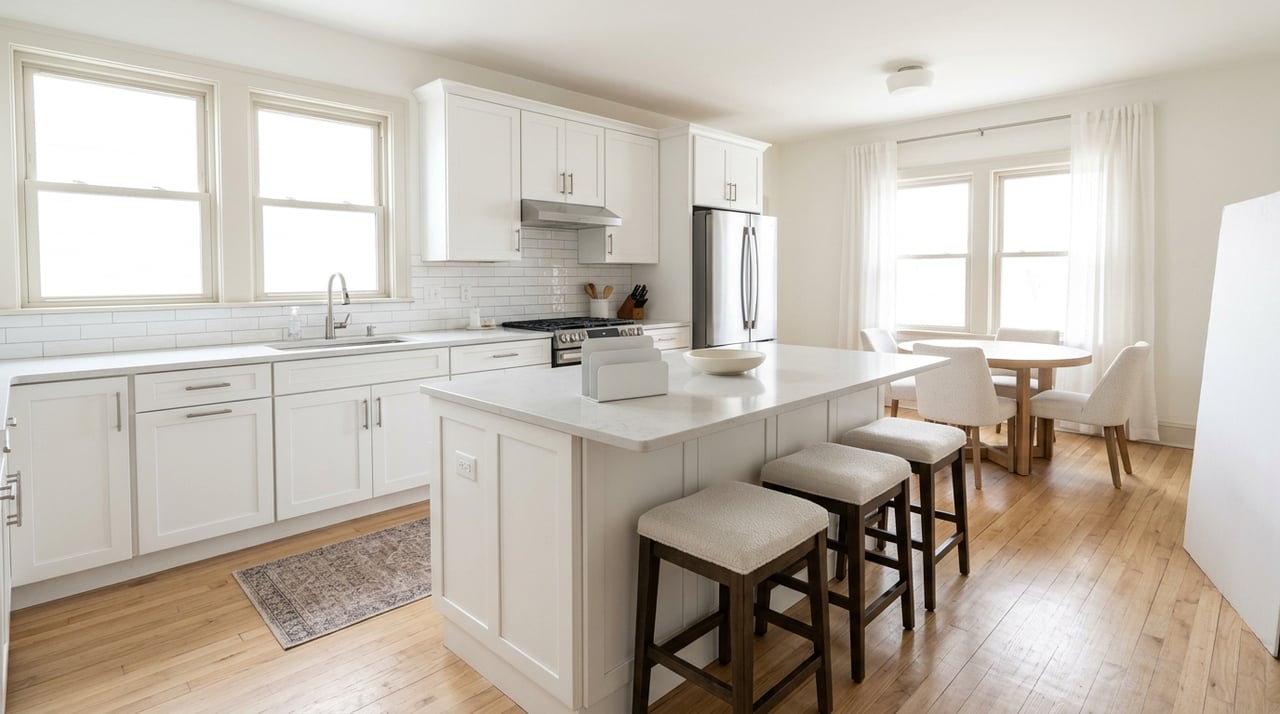
Staging can be especially useful when your home is competing with newer construction. A staged home feels more move-in ready, more intentional, and easier to understand. That matters when buyers are making quick side-by-side comparisons.
According to NAR’s 2025 staging report, 29% of agents said staging led to a 1% to 10% increase in the dollar value offered, and 49% said staging reduced time on market. The same report found that buyers respond most to the living room, primary bedroom, and kitchen when a home is staged.
Where to Focus Staging Efforts
If you are staging strategically, start here:
- Living room: Show scale, function, and flow
- Primary bedroom: Create a calm, simple retreat
- Kitchen: Highlight cleanliness, workspace, and light
- Entry: Make the first impression feel polished and welcoming
In an older home, staging should not try to hide the home’s age. It should make the home feel cared for, comfortable, and easy to picture living in.
Resolve Paperwork Before You List
In Long Branch, preparing the property is only part of the job. You also want to reduce surprises tied to permits, certificates, and disclosures. Buyers often get nervous when they sense that paperwork may be incomplete.
The city’s Fire Bureau says it handles fire inspections and issues certificates of occupancy for rental properties and sales. Long Branch also lists both a Residential Certificate of Compliance and Sale of Property Application and an As is Sale Form. In addition, the Planning and Zoning office issues zoning permits for most construction projects and is part of the city’s redevelopment program.
Prep Items to Check Early
Before your home goes live, it is smart to review:
- Whether any past work needed permits or final sign-offs
- Whether city sale-related forms or compliance items apply to your property
- Whether fire inspection or certificate requirements need to be completed
- Whether additions, decks, finished basements, or exterior changes were properly approved
Handling these items early can make your listing feel more certain to buyers. It can also help avoid delays once you are under contract.
Flood and Lead Disclosures Matter in Long Branch
Because Long Branch is a shore market, flood-related disclosure is especially important. Beginning March 20, 2024, New Jersey requires sellers to disclose certain flood-risk information in the property condition disclosure statement, including whether the property is in FEMA’s Special Flood Hazard Area or Moderate Flood Hazard Area and any actual knowledge of flood risk. The state also notes that standard homeowners insurance does not cover flood damage.
If your home was built before 1978, lead-based paint rules may apply as well. The EPA says most housing built before 1978 falls under the Lead-Based Paint Disclosure Rule. Sellers must disclose known lead information and provide buyers a 10-day period to conduct a lead inspection or risk assessment before signing.
These are not small details. In many transactions, complete and timely disclosure helps prevent avoidable concern later in the process.
Sell on Presentation, Certainty, and Value
In today’s Long Branch market, you are not competing on age alone. You are competing on how your home looks, how it is priced, and how confident a buyer feels about taking it on. New construction may offer fresh finishes, but an older home can still win attention when it feels honest, well maintained, and properly prepared.
That is where local strategy matters. The right pricing story, smart improvements, strong staging, and clean documentation can help your home stand out for the right reasons. If you want a local, human-driven plan for selling in Long Branch, The Katz Team can help you map out the next step.
FAQs
What should you fix before listing an older home in Long Branch?
- Focus first on visible, high-impact items like paint, lighting, trim, flooring repairs, entry appearance, and selective kitchen or bathroom refreshes if the home is otherwise sound.
How should you price an older home against new construction in Long Branch?
- Price it using condition-adjusted comparable sales rather than the newest showcase listings, because buyers compare value, upkeep, and likely future costs.
Is staging worth it for an older home in Long Branch?
- Yes, staging can help buyers see the home more clearly, and NAR’s 2025 report found that staging often reduced time on market and sometimes increased the dollar value offered.
What Long Branch sale paperwork should sellers check before listing?
- Sellers should review whether fire inspection, certificate, sale-of-property, zoning, or permit-related items apply, especially if past work may not have complete approvals or sign-offs.
What flood disclosure rules apply when selling a home in Long Branch?
- New Jersey requires sellers to disclose certain flood-risk information, including whether the property is in FEMA flood hazard areas and any actual knowledge of flood risk.
What lead disclosure rules apply to older Long Branch homes?
- If the home was built before 1978, sellers generally must disclose known lead-based paint information and allow buyers a 10-day opportunity to conduct a lead inspection or risk assessment before signing.