Trying to choose between a condo, townhome, or house in Long Branch? You are not alone. In a beachside market where lifestyle, upkeep, flood risk, and monthly costs all matter, the right fit is not always the most obvious one. This guide will help you compare each option so you can make a smarter move with more confidence. Let’s dive in.
Long Branch offers all three
Long Branch gives you a mix that many shore markets cannot. City planning materials describe a beachside setting with residential beachside condos, Pier Village shops and restaurants, townhouse dwellings, and single-family detached homes.
That variety is part of what makes the market appealing. You can choose a home that fits how you want to live, not just where you want to be. The key is knowing what changes from one property type to the next.
Start with your lifestyle
Before you compare price tags, think about your day-to-day routine. Do you want something simple to lock up and leave for the weekend, or do you want more room, privacy, and control over the property?
In Long Branch, that lifestyle question matters even more because coastal ownership can come with extra layers like exterior upkeep, flood planning, and seasonal parking or beach-access costs. The best choice is usually the one that matches both your budget and how involved you want to be.
Condos in Long Branch
A condo can be a strong fit if you want convenience and less exterior responsibility. In New Jersey, condos are part of a common-interest community, and common areas may include items like hallways, basements, siding, windows, doors, or the roof.
That often means you handle your unit while the association handles certain shared elements. For many buyers in Long Branch, especially near the beachfront, that can make ownership feel more manageable.
Why buyers choose condos
Condos are often the closest fit for a lock-and-leave lifestyle. If you want to be near the beach, dining, and a more walkable setting, a condo may check a lot of boxes.
This can be especially appealing for second-home buyers or anyone who does not want to spend weekends dealing with yard work and exterior maintenance. In a beachside city like Long Branch, that simplicity has real value.
What to watch with condos
The tradeoff is usually monthly association dues and more reliance on the association. Condo and HOA dues are typically separate from your mortgage, and they can range from a few hundred dollars a month to more than $1,000 a month.
You also need to understand what the association covers and what it does not. Association fees often include master insurance for common areas, but you still may need insurance for the unit itself.
New Jersey’s 2024 structural-integrity law also adds more attention to condominium and co-op inspections, evaluations, and maintenance procedures. That makes it even more important to review reserves, building condition history, and the association’s overall health when you are considering resale value.
Townhomes in Long Branch
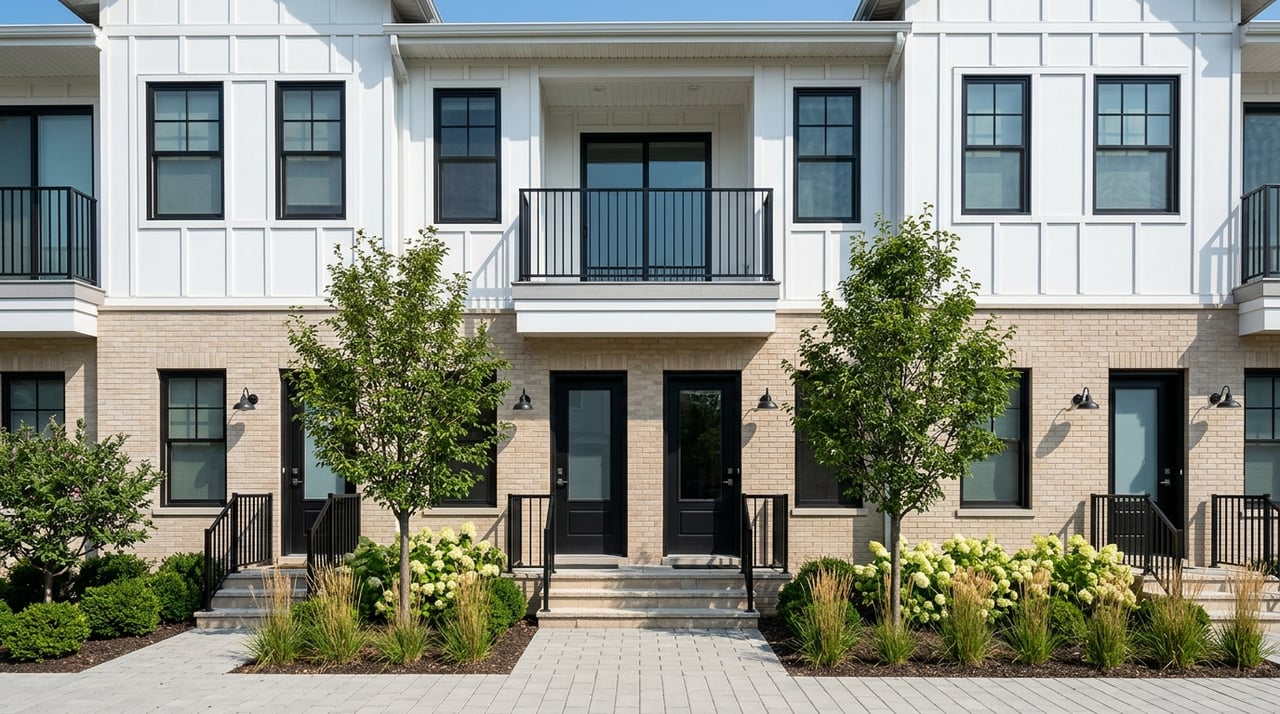
Townhomes often sit in the middle of the condo-versus-house conversation. Long Branch zoning defines townhouse dwellings as three or more attached single-family units that share a side wall from foundation to roof.
In practical terms, a townhome can give you a more house-like feel while still offering some shared maintenance structure. That balance is a big reason buyers often focus here.
Why buyers choose townhomes
If you want more separation than a condo but less upkeep than a detached home, a townhome may be the sweet spot. You may get multiple levels, a more private entry, and a layout that feels closer to a house.
For buyers who want a coastal property with some convenience but do not want a fully detached home, townhomes can offer a useful middle ground.
What to watch with townhomes
Not all townhome communities work the same way. New Jersey guidance notes that some are fee simple, meaning each unit is individually owned, and the association’s maintenance role can vary.
That means you should read the bylaws, master deed, and maintenance schedule closely. A townhome may look simple on the surface, but the real ownership experience depends on what the association handles and what falls to you.
Houses in Long Branch
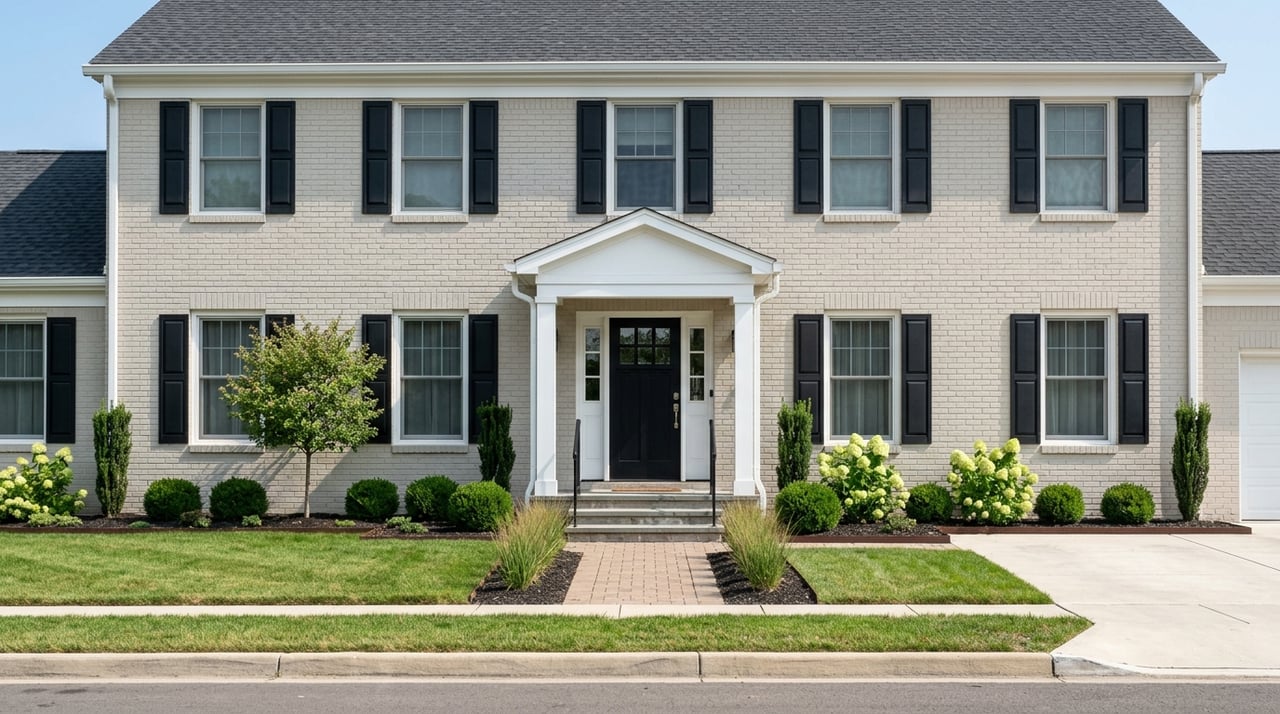
A single-family detached house is usually the best fit if you want privacy, control, and more room to personalize. Long Branch planning materials allow single-family detached dwellings in residential areas, which gives buyers another clear option beyond attached living.
For some buyers, this is the most natural choice. You have fewer shared-wall constraints and more freedom over how the property is maintained and used.
Why buyers choose houses
Detached homes often appeal to buyers who want outdoor space, more distance from neighbors, and greater control over improvements. If you want the home to feel fully your own, a house usually gives you the most flexibility.
This can also be a strong fit if you plan to stay long term and want room to grow into the property over time.
What to watch with houses
The tradeoff is more responsibility. Detached homes usually shift more exterior and site maintenance to the owner, so you should be ready for more hands-on upkeep.
It is also important to remember that being detached does not remove property tax pressure. New Jersey taxes real property based on value, so the tax system does not become more favorable just because the home is a house instead of a condo or townhome.
Compare total monthly cost
One of the biggest mistakes buyers make is comparing only the mortgage payment. A better way is to compare the total monthly carrying cost of each property type.
That total can include principal and interest, property taxes, homeowner’s insurance, flood insurance when needed, and HOA fees. In Long Branch, where coastal ownership can add a few extra variables, this fuller view matters.
Long Branch costs to keep in mind
Long Branch has a median owner-occupied home value of $574,000. The state’s 2024 average residential tax bill for Long Branch was $11,647, and the city’s median gross rent was $1,876.
Those numbers do not tell you what any one property will cost, but they do give you useful context. They also show why it is important to budget beyond the sale price.
Beach access and parking matter too
If beach access is a big part of why you want Long Branch, factor that into your lifestyle budget. For 2026, municipal beach badges are $6 on weekdays and $9 on weekends and holidays for adults, while annual adult badges are $70.
Parking can also affect your routine and your spending. The city says parking is available throughout the beachfront, side streets, and Pier Village, and metered parking at Pier Village and the Great Lawn is $2 per hour Monday through Thursday and $3 per hour Friday through Sunday and holidays from May 1 through September 30.
Flood risk should shape your decision
In Long Branch, flood risk is not a side note. It should be part of the buying conversation from the beginning.
The city provides flood information, elevation certificates, and hurricane guidance. Monmouth County also says its CRS shared-service agreement with Long Branch helps support flood-insurance premium discounts and FEMA-NFIP compliance.
Why flood insurance matters
Homeowner’s insurance typically does not cover flood damage. New Jersey guidance says federally regulated or insured mortgages in FEMA high-risk A and V zones require flood insurance.
That means two homes with similar prices can have very different monthly costs based on flood exposure. Whether you are buying a condo, townhome, or house, you want to understand the flood zone and review any available elevation information early.
Which property type fits you best?
If you want the simplest ownership experience and less day-to-day exterior upkeep, a condo may be the strongest fit. In Long Branch, that often lines up well with buyers who want beach proximity and easier lock-and-leave living.
If you want a more house-like layout with some shared support, a townhome may be the best balance. It can give you more separation while still keeping ownership more manageable than a detached property.
If you want privacy, more control, and room to personalize, a house may be the right move. Just go in ready for more upkeep and a fuller list of owner responsibilities.
What to verify before you buy
No matter which property type you prefer, a few details can make a big difference in Long Branch.
Here are the most important items to confirm on any listing:
- HOA dues
- What the association maintains
- Reserve funding
- Flood zone status
- Whether an elevation certificate is available
- Beach and parking convenience near the address
These details help you compare homes more accurately. They also give you a clearer picture of what ownership will actually feel like after closing.
If you are weighing a condo, townhome, or house in Long Branch, the right answer comes down to your budget, your maintenance comfort level, and the kind of shore lifestyle you want to enjoy. A local, property-by-property comparison can make that decision much easier. If you want help sorting through the options, connect with Todd Katz for thoughtful guidance tailored to your goals.
FAQs
What is the main difference between a condo and a townhome in Long Branch?
- A condo usually comes with more shared ownership elements and less exterior responsibility, while a townhome often feels more like a house but may still include association rules and shared maintenance.
What should buyers budget for beyond the mortgage in Long Branch?
- You should look at total monthly cost, including property taxes, homeowner’s insurance, flood insurance when needed, HOA dues if applicable, and even seasonal beach or parking costs depending on location.
Why is flood insurance important for Long Branch homes?
- Flood damage is typically not covered by standard homeowner’s insurance, and certain mortgages in high-risk FEMA flood zones require flood insurance.
Are detached houses in Long Branch taxed differently than condos or townhomes?
- New Jersey taxes real property based on value, so a detached house does not avoid tax pressure simply because it is detached.
What documents matter most when buying a condo or townhome in Long Branch?
- You should review HOA dues, bylaws, the master deed, maintenance responsibilities, reserve funding, and any available building-condition or flood-related information.